
When considering home improvements, loft insulation might not be at the top of your list. However, in the UK, where winters can be cold and energy costs are rising, it’s worth asking: “Do I really need loft insulation in my home?” Let’s explore the benefits and considerations to help you make an informed decision.
- Energy Efficiency: Loft insulation is a proven way to enhance your home’s energy efficiency. Heat rises, and without proper insulation, approximately 25% of your home’s heat can escape through an uninsulated roof. By adding insulation, you can significantly reduce this heat loss, leading to lower energy consumption and, ultimately, reduced utility bills.
- Cost Savings: While there is an initial cost associated with installing loft insulation, the investment often pays for itself within a few years through savings on energy bills. According to the Energy Saving Trust, a well-insulated home can save hundreds of pounds annually.
- Environmental Impact: Reducing energy usage not only saves money but also benefits the environment. By minimizing the amount of heating required to keep your home warm, you decrease your household’s carbon footprint, contributing to broader efforts to combat climate change.
- Increased Comfort: A well-insulated loft helps maintain a consistent temperature throughout your home, reducing drafts and cold spots. This increased comfort level is particularly beneficial during the colder months, providing a cozy and enjoyable living environment.
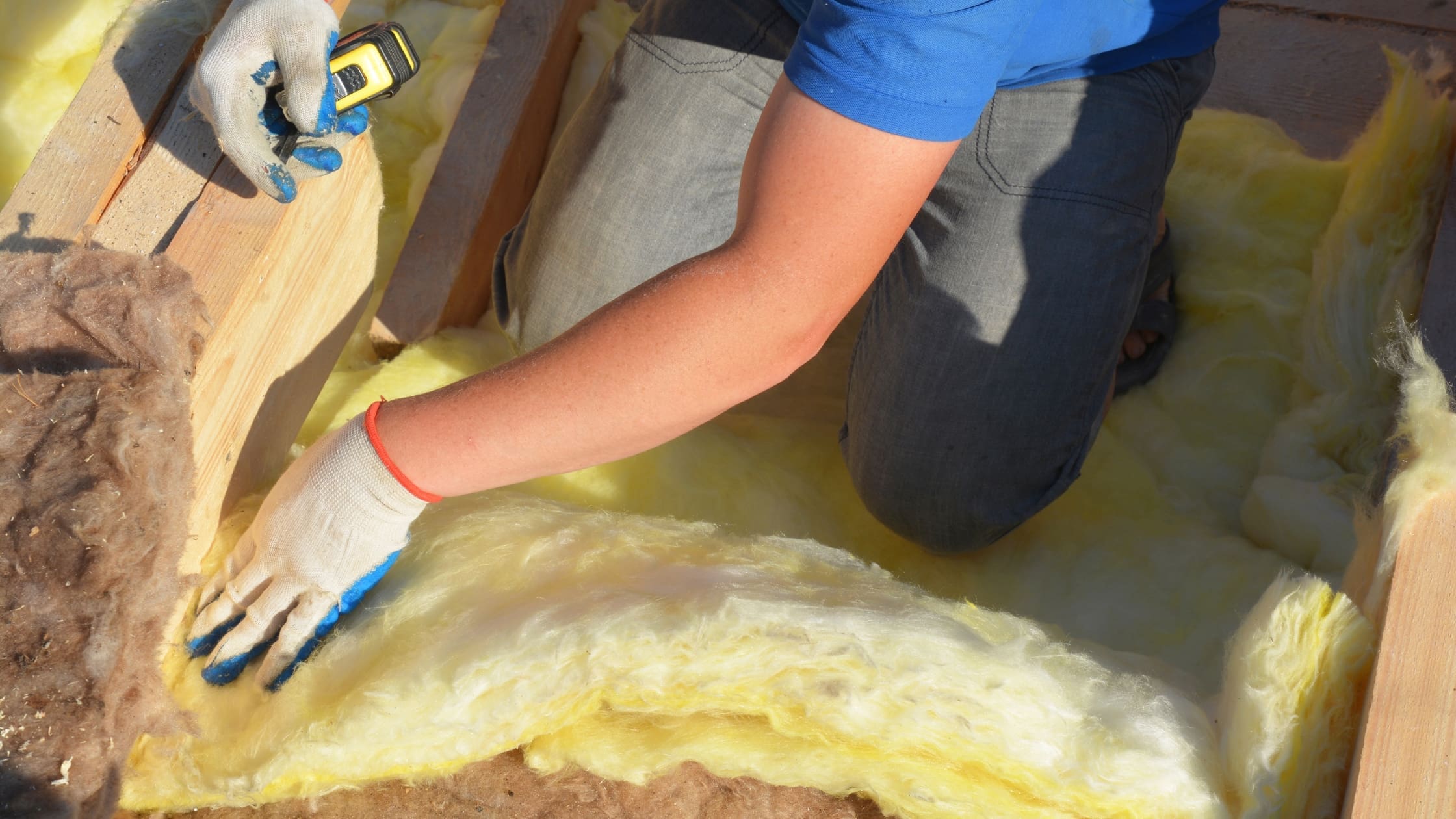
There are several types of loft insulation available, including blanket insulation (rolls of rock, glass, or mineral wool), loose-fill insulation, and rigid foam boards. Each type has its advantages and is suitable for different needs and budgets. It’s important to consider which type will work best for your home.
- Installation Process: While some homeowners choose to install insulation themselves, it can be a challenging task that requires careful handling and safety precautions. Hiring a professional ensures the job is done correctly and efficiently, but it comes at an additional cost.
- Building Regulations: In the UK, building regulations set specific standards for loft insulation to ensure safety and effectiveness. It’s crucial to adhere to these standards, whether you’re doing the work yourself or hiring a professional.
- Potential for Grants and Financial Assistance: The UK government and various energy companies often offer grants or subsidies to help with the cost of installing loft insulation. Checking for available assistance can make the project more affordable and accessible.
Loft insulation is a valuable investment for homes in the UK. It offers numerous benefits, including improved energy efficiency, cost savings, environmental impact reduction, and enhanced comfort. While there are considerations such as type, installation, and regulations, the advantages often outweigh the initial effort and expense. If you’re looking to make your home more energy-efficient and cozy, loft insulation is definitely worth considering.

