
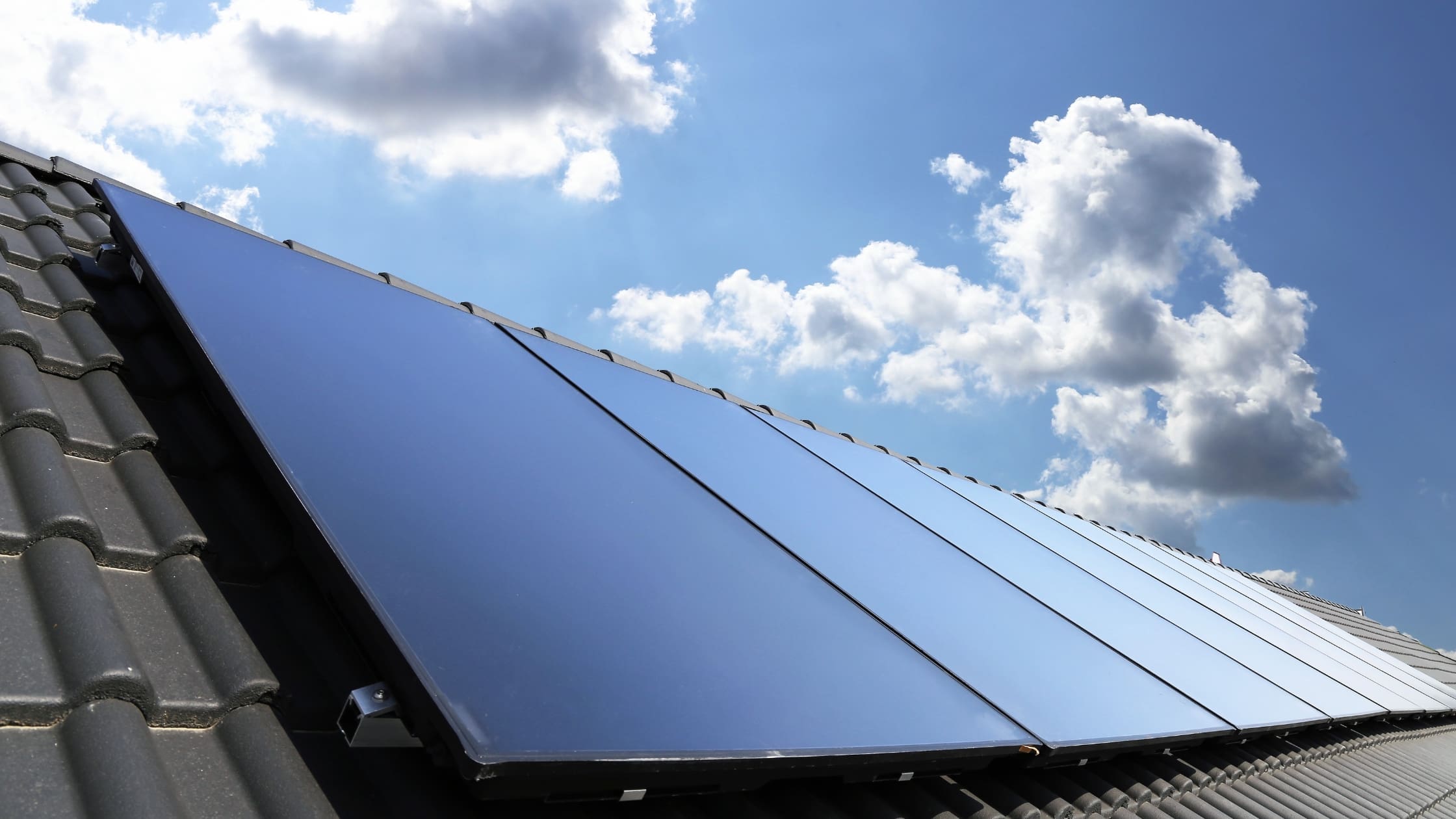
Solar photovoltaic (PV) systems are an increasingly popular choice for renewable energy generation. However, several factors can impact their performance. Understanding these factors ensures optimal efficiency and longevity of the system.
Environmental Factors
- Sunlight Intensity – The amount of sunlight, measured in irradiance (W/m²), directly affects solar PV performance. Greater sunlight intensity leads to higher energy production. However, this is dependent on geographic location and time of year, with regions closer to the equator generally receiving more sunlight.
- Temperature – While solar panels need sunlight to generate electricity, excessive heat can reduce their efficiency. High temperatures increase the resistance within the solar cells, which can decrease output power. Ideally, solar panels perform best at moderate temperatures.
- Shade and Obstructions – Shade from trees, buildings, or other obstructions can significantly reduce the efficiency of solar panels. Even partial shading on a single panel can impact the entire array due to the series connection of panels.
- Weather Conditions – Cloud cover, rain, and snow can all affect solar PV performance. Cloudy conditions reduce sunlight exposure, while snow can block panels if not cleared. However, rain can have a beneficial effect by cleaning dust and debris from the panels.
Technical Factors
- Panel Quality – The quality and type of solar panels play a crucial role in their performance. High-quality panels with better materials and construction generally provide higher efficiency and durability.
- Angle and Orientation – The tilt angle and orientation of solar panels affect how much sunlight they receive. Panels should be angled to capture the maximum amount of sunlight throughout the day, typically facing true south in the northern hemisphere and true north in the southern hemisphere.
- System Design – A well-designed solar PV system considers the inverter, wiring, and overall layout. Poor system design can lead to energy losses and decreased performance.
Maintenance Factors
- Regular Cleaning – Dust, dirt, and bird droppings can accumulate on the surface of solar panels, reducing their efficiency. Regular cleaning helps maintain optimal performance.
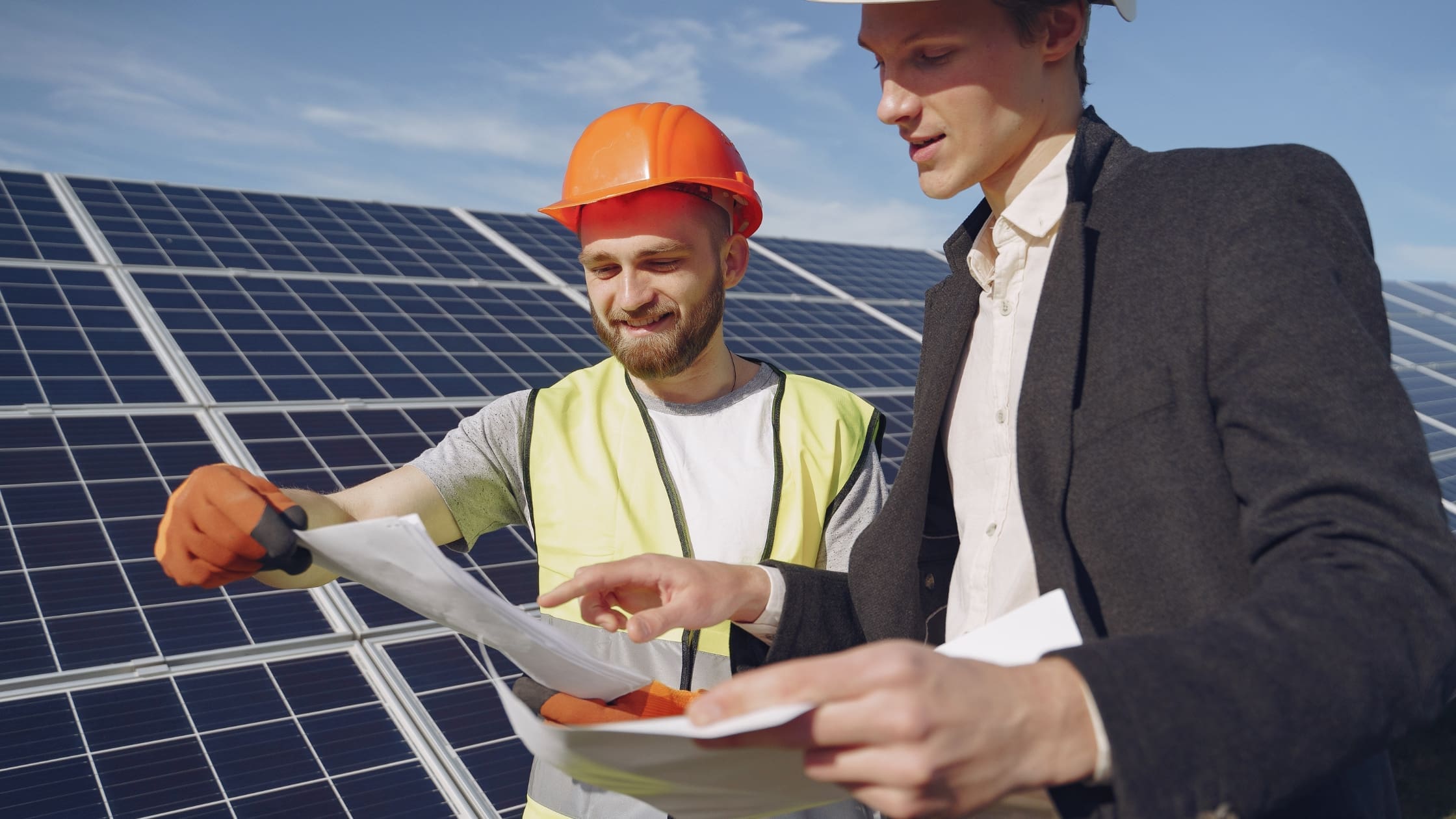
- Routine Inspections – Periodic inspections can identify and rectify issues such as loose connections, damaged panels, or malfunctioning inverters before they impact performance.
Summary
By considering these environmental, technical, and maintenance factors, solar PV systems can be optimised for maximum efficiency and longevity. Proper planning, installation, and maintenance are key to harnessing the full potential of solar energy.
If you need any help with your solar PV system, get in touch with the team at Apex Energy Sol

