
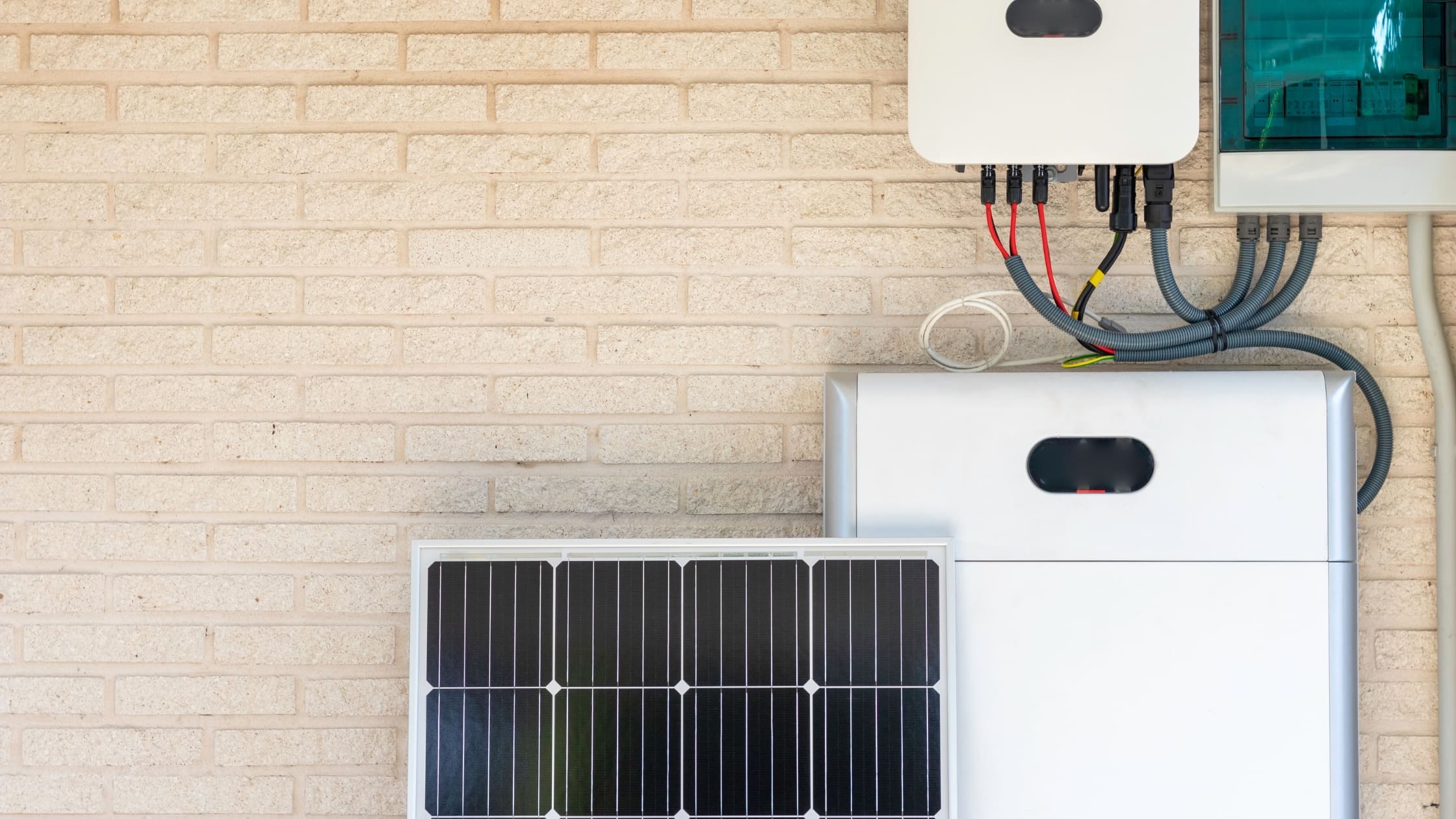
When considering a battery storage system to run a home, several factors come into play. Understanding your energy needs, the type of solar panel system you have (if any), and the duration you intend to run on battery power is crucial. Here is a guide to help you determine the appropriate size for your battery storage system.
Assess Your Energy Consumption
The first step in determining the size of your battery storage system is to assess your household’s energy consumption:
- Review Your Utility Bills: Check your monthly energy bills to find out your average daily energy usage in kilowatt-hours (kWh). This information is usually available in a detailed section of your bill.
- Consider Seasonal Variations: Energy usage can vary significantly between seasons. Ensure you account for peak usage times, such as winter or summer months, when heating or cooling needs may increase.
- Identify Critical Loads: Decide which appliances and systems are critical to keep running during a power outage. This might include the refrigerator, lights, and essential electronics.
Determine Your Backup Duration
Another factor in sizing your battery storage system is how long you want to be able to run on stored power:
- Short-Term Use: If you only need a few hours of energy during peak usage times or short outages, a smaller battery system may suffice.
- Long-Term Sustainability: For longer outages or complete independence from the grid, a larger battery system is necessary.
Calculate the Size of the Battery System
Once you have a clear understanding of your energy needs, you can calculate the size of the battery storage system:
- Energy Requirement Calculation: Multiply your daily energy consumption by the number of days you wish to have backup power. For example, if your daily usage is 30 kWh and you want 3 days of autonomy, you would need 90 kWh of storage.
- Battery Efficiency: Most batteries have an efficiency rate between 80-95%. You’ll need to consider this to ensure your storage meets your energy needs. For example, with a 90% efficiency rate, your 90 kWh requirement would need about 100 kWh of stored energy.
- Depth of Discharge (DoD): This is the percentage of the battery that can be discharged without causing damage. A higher DoD means more usable energy. If a battery has an 80% DoD, a 100 kWh battery can safely provide 80 kWh.
Consult with Experts
After calculating your energy needs and the size of the battery, consult with a professional. They can offer insights into the best type of battery technology for your situation, such as lithium-ion, lead-acid, or flow batteries. Additionally, they can help you navigate installation requirements and any potential incentives or rebates available.
Consider Future Expansion
As your household energy consumption may change over time, consider a battery system that allows for future expansion. This flexibility can accommodate increased energy needs or additional renewable energy systems like wind or solar.
Summary
In conclusion, sizing a battery storage system for your home involves a detailed understanding of your energy usage, the desired duration of backup power, and the efficiency of the batteries you choose. Taking these factors into account ensures that you select a system that best meets your needs, providing reliability and peace of mind.
At Apex Energy Solutions South Wales, we can assist with your energy storage requirements including supply and installation. Get in touch with the team for more information.

