
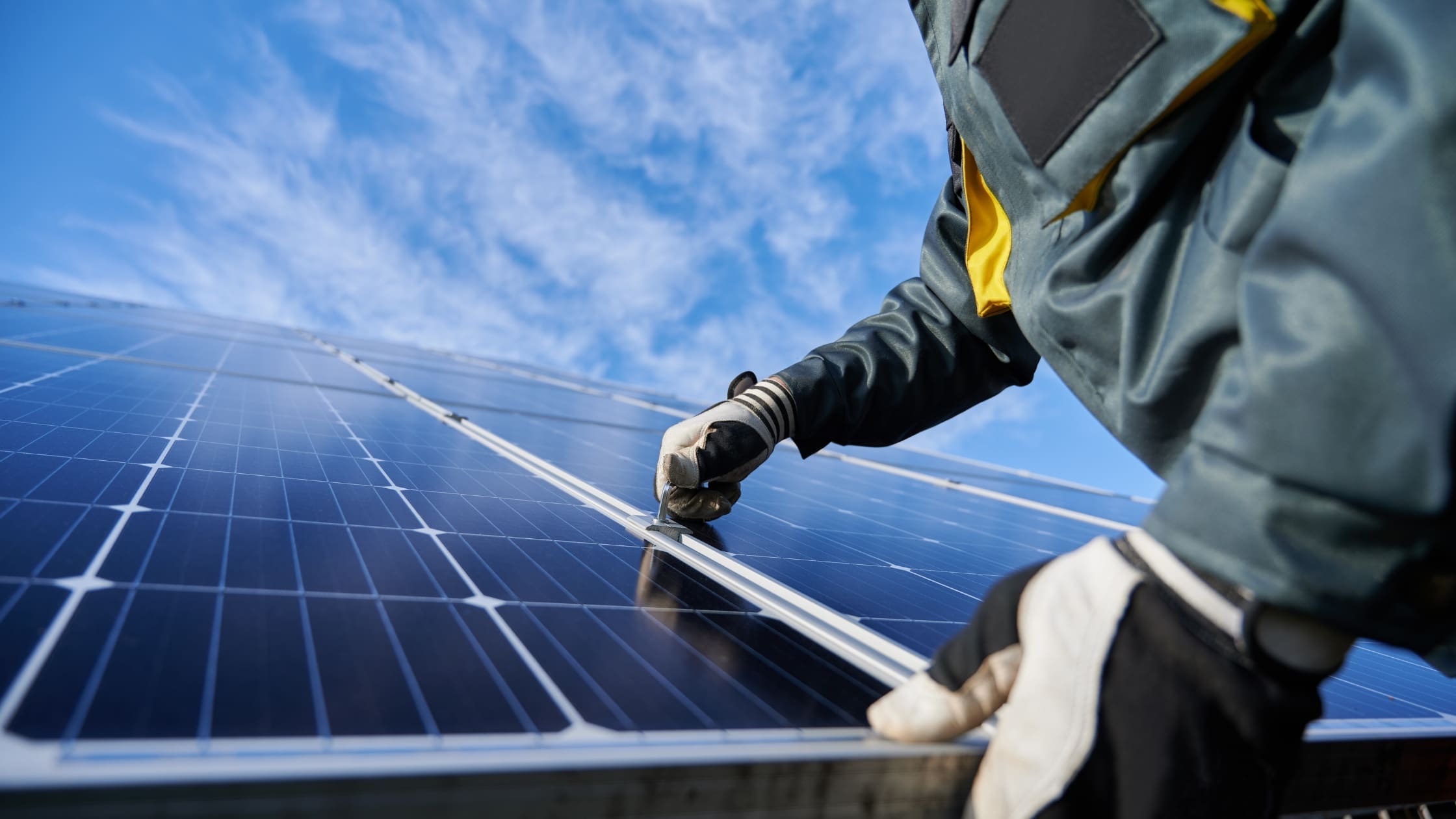
As businesses in the UK continue to explore sustainable practices, one area gaining significant traction is the adoption of solar photovoltaic (PV) systems. These systems not only offer environmental benefits but also have financial implications, particularly concerning business rates.
This article delves into the impact of solar PV systems on business rates in the UK and what businesses need to know to make informed decisions.
Business rates are a tax on property used for business purposes, calculated based on the property’s rateable value. This value is determined by the Valuation Office Agency (VOA) and reflects the annual rent the property could achieve on the open market. Business rates are a significant expense for many companies, and any changes in property usage or enhancements can affect this cost.
Solar PV systems convert sunlight into electricity, providing businesses with a renewable energy source. The primary financial benefits of installing solar PV systems include:
- Reduced Energy Bills: By generating their electricity, businesses can significantly lower their energy costs.
- Incentives and Tax Reliefs: Programs such as the Smart Export Guarantee (SEG) allow businesses to sell surplus energy back to the grid, creating an additional revenue stream.
- Enhanced Corporate Image: Investing in renewable energy can improve a company’s brand image, attracting environmentally-conscious customers and clients.
While the benefits of solar PV systems are clear, their impact on business rates is a critical consideration:
- Rateable Value: The installation of solar PV systems can alter the rateable value of a property. Generally, if the system is primarily used for the business’s operations, it may lead to an increase in the rateable value. However, if the system solely supplies energy to the National Grid, it may not affect business rates.
- Exemptions and Reliefs: The UK government has introduced measures to encourage the adoption of renewable energy systems, including exemptions and reliefs from business rates for certain installations. For example, small rooftop solar installations may benefit from reliefs, reducing the additional financial burden.
- Consultation with Experts: Given the complexities of business rates and the potential for financial impact, it is advisable for businesses considering solar PV systems to consult with property and tax experts. These professionals can provide guidance on how a solar installation might affect business rates and identify potential reliefs or exemptions.
The decision to install solar PV systems should be based on a thorough analysis of both the environmental benefits and financial implications. While these systems can lead to increased business rates, the long-term savings on energy costs and potential tax incentives may outweigh any initial increases. By understanding the impact on business rates and consulting with experts, businesses can make informed decisions that align with their sustainability goals and financial strategies.
Investing in solar PV systems is not only a step towards sustainability but also a strategic move for businesses aiming to reduce operational costs and enhance their green credentials.
By adopting renewable energy, businesses not only contribute to a more sustainable future but also benefit from reduced operational costs and enhanced brand reputation.
With various renewable energy options available, businesses have the flexibility to choose solutions that best fit their operational needs and goals.
Speak to the team about how we can help your business implement renewable energy solutions.

