
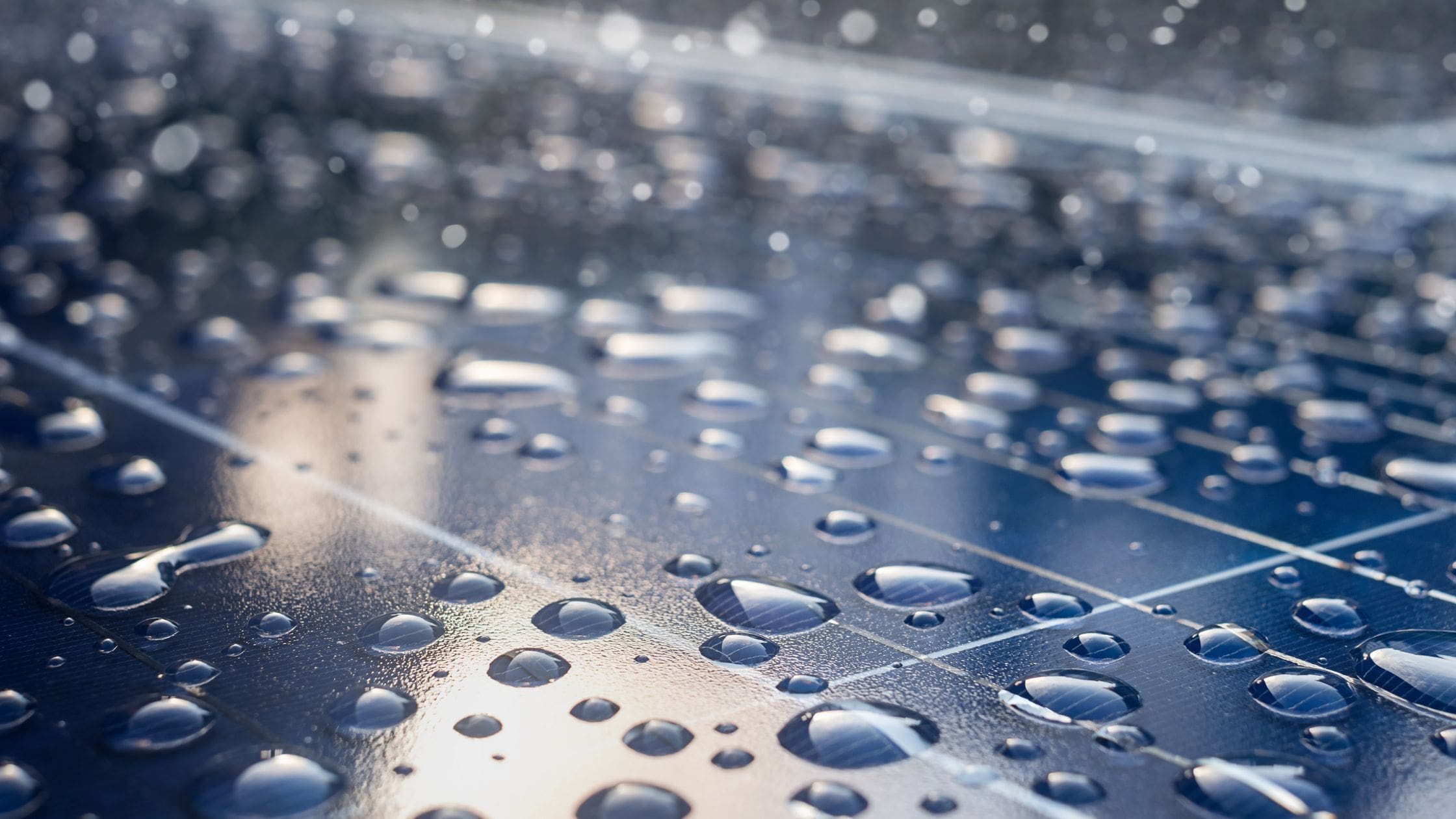
Solar panels, also known as photovoltaic (PV) panels, are devices that convert sunlight into electricity. They are widely used for various purposes, including electricity generation and heating. While solar panels are known for their effectiveness in harnessing solar energy, many people wonder if they are affected by cold weather conditions.
The great thing about solar panels is that they don’t require direct sunlight to work. Although solar panels do generally produce less energy in winter, this is because we have fewer hours of daylight and the sun is lower in the sky, they can still produce significant amounts of energy on cloudy days.
Several factors influence the efficiency of solar panels in cold weather conditions:
- Temperature of the Solar Panels: Solar panels operate optimally at a temperature of around 25 degrees Celsius. When the temperature falls below this optimal range, the panels may become less efficient.
- Snowfall and Frost: Snow and frost can accumulate on the solar panels, blocking sunlight and reducing their efficiency. It is important to regularly clean solar panels, especially during the winter months, to ensure proper functionality.
- Angle of Incidence: The angle of incidence refers to the angle at which sunlight hits the solar panels. In cold weather, the sun’s rays may not be as direct, which can affect the amount of sunlight absorbed by the panels.
- Weather Conditions: Cloudy or foggy weather can also reduce the power output of solar panels, as sunlight is blocked. Cold weather accompanied by extended periods of cloud cover can have a negative impact on solar panel performance.
While cold weather can affect the efficiency of solar panels, there are several measures that can help mitigate these effects:
- Installing High-Quality Panels: Investing in high-quality solar panels that are specifically designed for low temperatures can help increase their efficiency in cold weather.
- Installing Solar Trackers: Solar trackers automatically adjust the angle of solar panels to capture maximum sunlight, regardless of the weather.
- Installing Insulation: Insulating solar panels can help maintain a higher temperature, reducing the impact of cold temperatures on their efficiency.
- Regular Maintenance: Cleaning and inspecting solar panels regularly, especially during winter months, can help remove any obstructions and ensure optimal performance.
Solar panels are affected by cold weather conditions, but there are ways to mitigate these effects. By investing in high-quality solar panels, installing solar trackers, insulating solar panels, and regular maintenance, you can enjoy the benefits of solar energy even during colder winter months. Remember, solar panels still generate electricity in cold weather, but it may be at a slightly lower efficiency compared to the summer months.
At Apex Energy Solutions South Wales, we supply and install only the highest quality solar PV panels from approved and reliable manufacturers. Get in touch with the team or get a FREE quotation via our website.

